 Dayton Premier Water Damage Restoration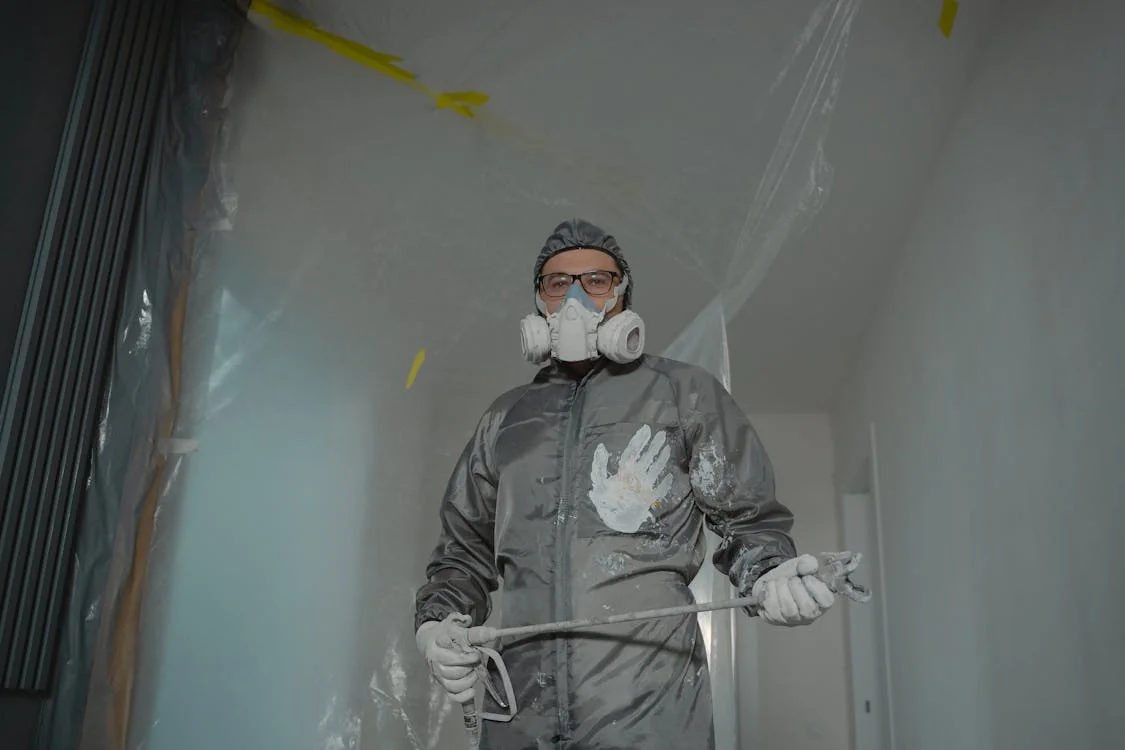
Mold Remediation Dayton Ohio
IICRC-certified mold removal and remediation serving Dayton, Ohio and Montgomery County. Call (937) 930-4317 for a free mold assessment.
Call Now — Free AssessmentMold Remediation in Dayton, Ohio
Professional mold remediation in Dayton, Ohio requires more than surface cleaning — it requires identifying the moisture source, containing the affected zone, and verifying that spore counts are within acceptable limits after work is complete. Dayton homes face elevated mold risk due to Ohio’s seasonal humidity, the region’s older housing stock, and the frequency of water damage events in the Miami Valley. Mold removal Dayton homeowners need follows IICRC S520 — the industry standard for professional mold remediation — and our certified technicians apply that standard to every job. Mold can begin growing within 24 to 48 hours of water exposure on organic materials like drywall and wood framing. Call (937) 930-4317 for a free inspection.
Mold Removal Services in Dayton, Ohio
Our mold remediation services cover the full protocol — inspection, air quality sampling, containment, HEPA filtration removal, antimicrobial treatment, and post-remediation verification. We hold AMRT (Applied Microbial Remediation Technician) certification from the IICRC, meaning our technicians are trained in the biology of mold growth, proper containment procedures, and the safe removal of hazardous mold species including Stachybotrys chartarum (black mold), Aspergillus, and Penicillium. Every mold remediation job in Dayton, Ohio includes full documentation for insurance claims and a post-remediation clearance report confirming air quality testing results.
If water damage preceded the mold, see our emergency water removal services — mold often follows water damage that wasn’t fully dried within the first 48 hours.
Signs You Have a Mold Problem
Visible discoloration — black, green, or white patches — is the obvious sign, but mold often grows hidden inside wall cavities, behind baseboards, beneath hardwood floors, and in attic spaces before it becomes visible. A persistent musty odor in a room, even without visible growth, is a strong indicator of hidden mold. Health symptoms — nasal congestion, eye irritation, headaches, or worsened respiratory conditions — that improve when you leave your home also suggest indoor mold growth.
Attic mold commonly appears as dark streaking or fuzzy growth on roof sheathing and rafters. It results from inadequate ventilation combined with moisture intrusion. Dayton’s summer humidity and temperature differentials create ideal condensation conditions in under-ventilated attics.
Soft spots, warping, or cupping in hardwood floors after a water event, combined with a musty smell at floor level, suggest mold growth between the hardwood and subfloor. Pulling a floor vent cover and shining a flashlight under the flooring is a basic field check — but professional moisture assessment is required for confirmation.
Peeling or bubbling paint, discolored drywall, or soft spots are surface signals. Hidden mold behind walls often follows the path of a past pipe leak or roof intrusion. Do not open walls yourself if you suspect mold — disrupting containment without proper precautions spreads spores throughout the home.
How Mold Remediation Works
Mold remediation is not the same as mold removal. Remediation — the term required under IICRC S520 and insurance restoration standards — encompasses containment, removal, treatment, and post-remediation verification. The full mold treatment Dayton homeowners receive follows this protocol:
-
Inspection and Moisture Assessment
Identify all affected areas and the moisture source driving the growth. Hidden mold requires moisture meter and thermal imaging assessment.
-
Containment
Install physical containment barriers (6-mil poly sheeting) with negative air pressure maintained by HEPA air scrubbers, preventing spore migration to clean areas. This is the step that differentiates professional mold remediation from mold removal.
-
HEPA Vacuuming and Material Removal
Vacuum loose spores from all surfaces. Remove non-salvageable materials (drywall, insulation, flooring) that cannot be adequately treated in place.
-
Antimicrobial Treatment
Apply EPA-registered antimicrobial agents to all affected structural surfaces to eliminate remaining mold and inhibit regrowth.
-
Post-Remediation Verification
Spore trap sampling and lab analysis confirms spore counts have returned to pre-loss baseline. Clearance report provided for your insurance claim and records.
Mold Remediation FAQ — Dayton, Ohio
-
Under warm, humid conditions — which Ohio summers provide in abundance — mold can begin growing on wet organic materials within 24 to 48 hours. Wood, drywall, insulation, and carpet backing are particularly susceptible. This is why the first 48 hours after a water event are the critical window: extraction and drying during this period can significantly reduce the likelihood of mold becoming an issue.
-
Most residential mold remediation jobs in Dayton, Ohio take 1 to 5 days, depending on the affected area and the materials involved. A small bathroom or localized basement mold issue may be completed in a single day. Larger jobs involving attic mold, whole-floor remediation, or extensive structural work can take a full week. We provide a timeline estimate after the initial inspection.
-
Peeling or bubbling paint, discolored drywall patches, soft spots on walls, or a persistent musty odor in a room — particularly one that had prior water intrusion — are the primary indicators. Air quality sampling can detect elevated spore counts in a room even when visible growth is entirely hidden inside wall cavities. Do not open walls yourself if you suspect mold — disrupting containment without proper precautions spreads spores throughout the home.
-
Yes. Mold releases spores and, depending on the species, mycotoxins — chemical compounds that can cause respiratory irritation, allergic reactions, neurological symptoms, and more serious health effects with prolonged exposure. Stachybotrys chartarum, commonly called black mold, produces mycotoxins associated with more severe health reactions. If health symptoms are present and a water event has occurred in your home, treat it as a mold situation until proven otherwise.
-
Mold removal refers to physically removing mold-affected material. Mold remediation is the complete professional process: identifying the source, containing the affected zone, removing affected materials, treating remaining surfaces with antimicrobial agents, and verifying through air quality testing that the remediation succeeded. Remediation is what insurance companies pay for and what IICRC S520 defines as the professional standard. Mold removal alone — without containment or verification — risks cross-contaminating other areas and leaving active growth behind.
Get a Free Mold Assessment in Dayton
Ready to address mold in your Dayton home? Call (937) 930-4317 or complete the form below for a free mold assessment — no obligation.