 Dayton Premier Water Damage Restoration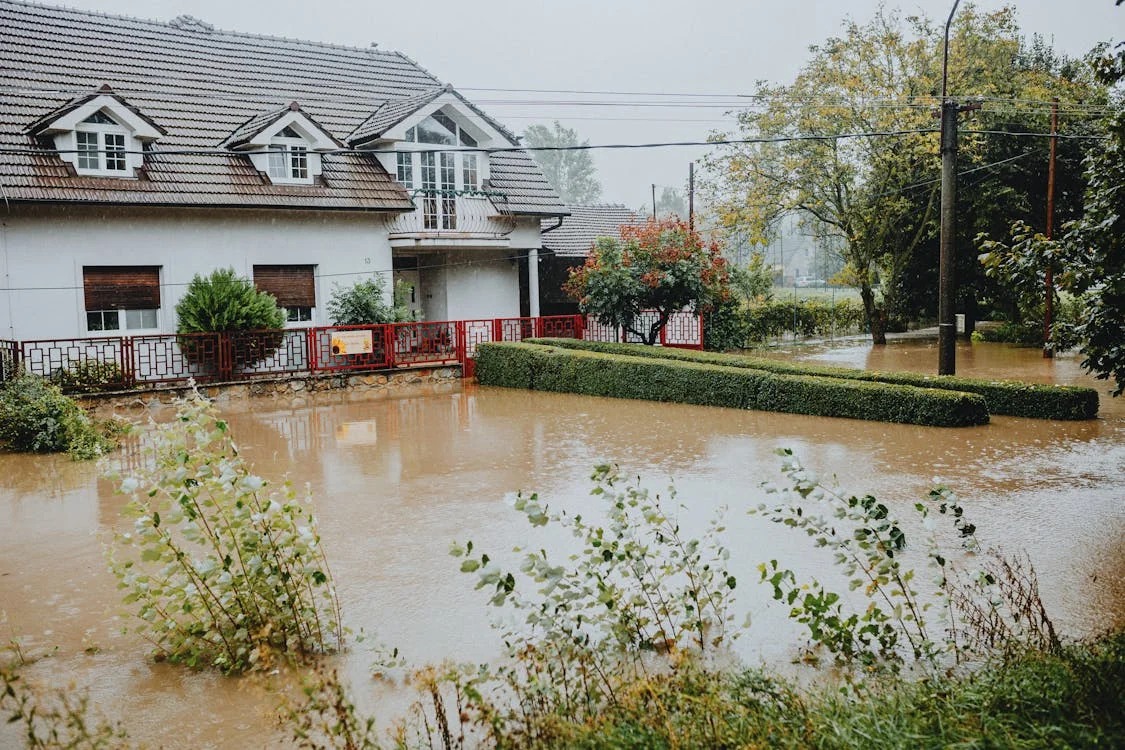
Emergency Water Removal Dayton Ohio
24/7 emergency water extraction for flooding, burst pipes, sewage backup, and basement flooding across Dayton, Ohio and Montgomery County. Call now: (937) 930-4317
Call Now — 24/7 Emergency LineEmergency Water Removal in Dayton, Ohio
Emergency water removal in Dayton, Ohio is a time-critical service — water damage compounds with every passing hour, and mold can begin growing within 24 to 48 hours of exposure. Our team provides 24 hour water damage Dayton response, dispatching certified technicians around the clock for any water emergency. Dayton, Ohio sits at the confluence of the Great Miami River, Mad River, and Stillwater River — a geography that creates real flood risk for Montgomery County properties every spring. Whether your emergency involves a burst pipe, sewage backup, flooded basement, or storm intrusion, call (937) 930-4317 now. We respond the same day with truck-mounted water extraction equipment and a full drying crew.
24/7 Emergency Water Damage Response in Dayton, Ohio
Water emergencies don’t follow business hours. Our 24/7 emergency water damage response in Dayton means a live dispatcher answers every call, every hour of every day. We provide same-day water extraction for active flooding events and typically dispatch within 1 to 2 hours for Dayton and the immediate Montgomery County service area. Our IICRC-certified technicians arrive with truck-mounted extractors, submersible pumps, industrial-grade LGR (low grain refrigerant) dehumidifiers, and air movers ready to begin water extraction immediately. Rapid response is the single most effective action you can take to limit the scope of water damage. Call (937) 930-4317 the moment the area is safe to enter.
Water Emergencies We Respond To
Basement flooding in Dayton, Ohio most commonly results from heavy rainfall overwhelming sump pumps, sump pump failure, foundation seepage, or municipal drain backup. We handle basement flooding repair from any cause — standing water removal, moisture mapping, drying equipment setup.
Ohio’s freeze-thaw cycle creates real burst pipe risk every January and February. Pipe bursts inside walls can flood multiple floors before the source is identified. We respond to burst pipe water damage dayton with emergency extraction and drying setup.
Sewage backup is classified as Category 3 water under IICRC standards — it contains pathogens requiring specialized PPE, extraction protocols, and antimicrobial treatment. Basement drain backup and city main surges are Category 3 emergencies. Do not enter without protective gear.
Sump pumps fail most often during the spring storms when they’re working hardest. Sump pump failure can result in rapid basement flooding across Kettering, Fairborn, Huber Heights, and all of the greater Dayton area.
The 2019 Memorial Day tornado outbreak — 15 confirmed tornadoes across the Miami Valley — demonstrated the scale of storm damage Dayton, Ohio can sustain. Roof damage and overwhelmed drainage systems can introduce significant water into structures. We respond to storm flooding dayton events 24/7.
Washing machine supply line failures, dishwasher leaks, and water heater failures are among the most common causes of water damage in Dayton homes. Each requires prompt extraction and structural drying to prevent secondary damage.
What Happens When You Call
Standing water that isn’t extracted within 48 hours creates conditions for mold growth — which significantly expands the scope and the total restoration timeline.
-
Dispatch
Your call reaches a live dispatcher. We gather the basics — water category, affected area size, access to the property — and route the nearest available certified crew. No voicemail.
-
Assessment
On arrival, our technicians perform a full moisture assessment using moisture meters and thermal imaging cameras to identify all water migration pathways, including hidden moisture inside walls, under flooring, and in structural cavities not visible to the eye.
-
Water Extraction
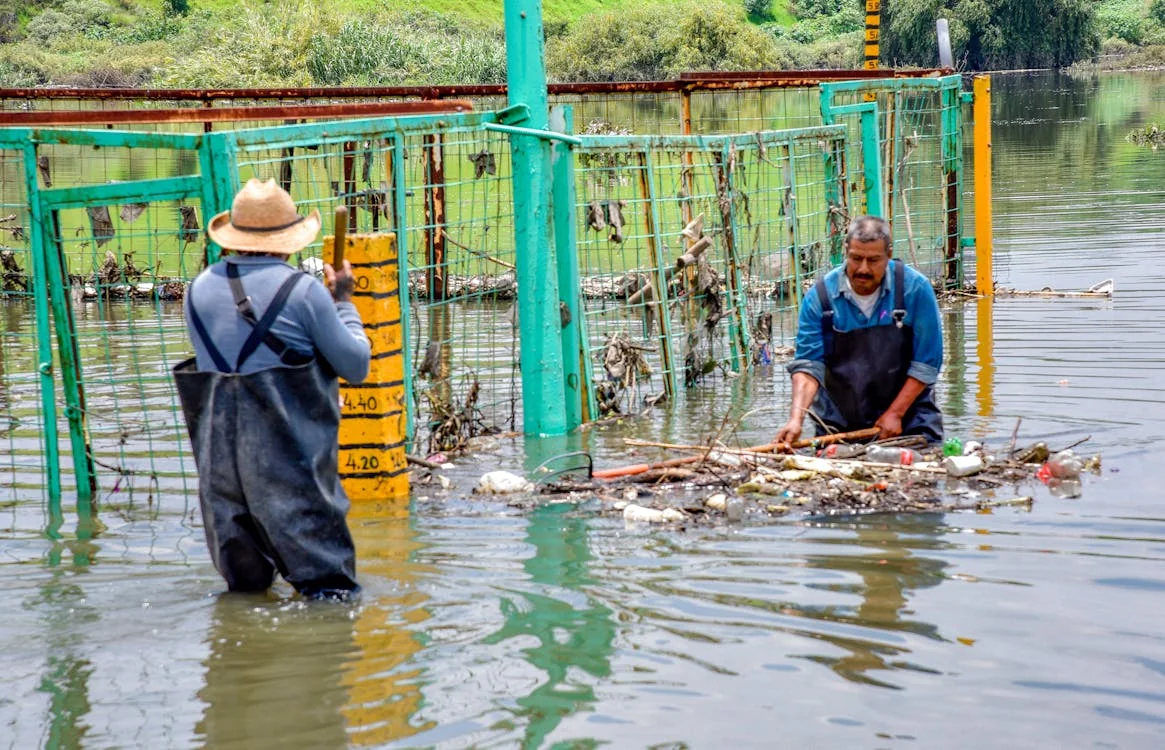
Truck-mounted extractors handle high-volume standing water fast. Submersible pumps address deep flooded areas. For Category 3 sewage situations, specialized extraction protocols and full PPE are in use throughout.
-
Drying Setup
After extraction, LGR dehumidifiers and high-powered axial air movers are strategically positioned to maximize evaporative drying. Psychrometric monitoring tracks temperature, humidity, and vapor pressure daily against drying goals until structural materials reach the required moisture content.
Emergency Water Removal FAQ
-
Minor basement flooding — a small area, Category 1 clean water, limited absorption — typically reaches drying goals in 3 to 5 days with properly positioned dehumidifiers and air movers. Major flooding events involving Category 3 water, saturated concrete, or large areas can take 1 to 2 weeks or longer. The IICRC S500 drying standard requires that specific moisture content thresholds be met before equipment is removed — guessing that a basement is “dry enough” without measurement is one of the most common causes of mold problems following a flooding event.
-
Standard homeowners policies in Ohio typically cover sudden and accidental water damage — a burst pipe, sump pump failure included in your policy endorsements, appliance overflow, or storm-driven water intrusion through a damaged structure. What standard policies typically do not cover is flood damage from rising groundwater or overflowing bodies of water — that requires a separate flood insurance policy through the NFIP or a private carrier. We assist with insurance documentation on every emergency call.
-
1. If safe to do so, locate and shut off the water source. For burst pipes, turn off the main water supply. 2. Turn off electricity to the basement — do not enter flooded areas where electrical panels or wiring may be submerged. 3. Do not attempt to remove water with a standard shop vac — household equipment cannot remove water from structural materials. 4. Move valuables to dry areas above the flood zone if accessible without entering standing water. 5. Call (937) 930-4317 — our team handles the extraction, drying, and documentation. The sooner you call, the lower the total damage.
Contact Our Emergency Water Removal Team in Dayton
Flooding or water emergency in Dayton? Call (937) 930-4317 right now — 24/7 — or submit the form below and we’ll respond immediately.